
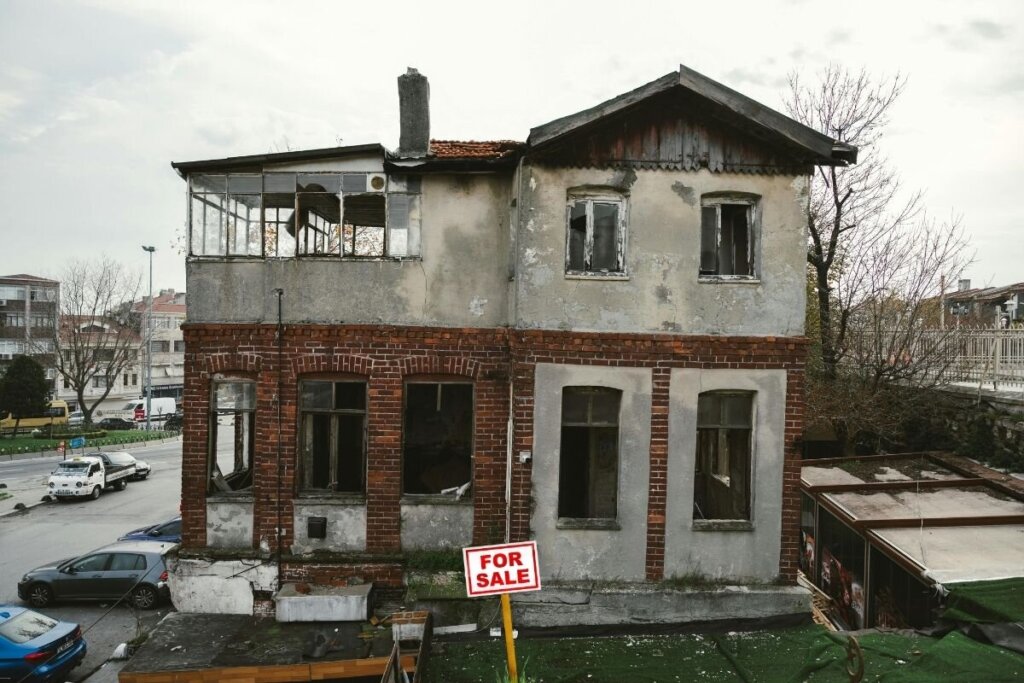
Yes, You Can Sell a Fire-Damaged House in Detroit
A house fire does not have to end with you rebuilding the house. In many cases, a Detroit homeowner can sell a fire-damaged property in its current condition instead of repairing it for a traditional buyer. The real question is whether repairing, listing, or selling as-is gives you the best outcome for your budget and your sanity.
Fire damage can be deceptive. What looks like one burned room may also involve smoke throughout the house, water from firefighting, damaged electrical systems, opened walls, roof exposure, odor, and structural questions. Then there is the paperwork: insurance, city inspections, permits, vacant-property requirements, and sometimes a mortgage or title issue on top of everything else.
If you need to sell a fire damaged house in Detroit, you have options. You do not have to turn the property back into a picture-perfect listing before you can move on.
Start With Safety and the Insurance Claim
Before worrying about a sale price, make sure the property is safe and the loss is documented. A fire-damaged house is not the place for a casual walk-through just because the flames are out. Damaged floors, electrical hazards, unstable ceilings, broken glass, standing water, and weakened framing can make even familiar rooms unsafe.
Michigan’s Department of Insurance and Financial Services recommends documenting the damage with photos and video, taking reasonable steps to prevent additional damage when it is safe to do so, and avoiding permanent repairs until the insurer has inspected the loss or tells you to proceed. That may mean boarding an opening, covering a damaged roof, or removing standing water without launching into a full renovation.
Keep receipts for emergency work and keep a copy of your insurance correspondence. If you eventually decide to sell rather than rebuild, having a clean paper trail makes it much easier to explain what happened and what has or has not been repaired.
Fire Damage Is Usually More Than What You Can See
One reason fire-damaged houses are difficult to sell through a normal retail process is that buyers are not only pricing the charred drywall they can see. They are pricing the unknowns behind it.
- Structural damage to joists, rafters, studs, stairs, porches, or load-bearing walls
- Smoke and soot that traveled into rooms untouched by flames
- Water damage from fire suppression, rain, or snow entering through damaged openings
- Electrical damage to wiring, panels, outlets, fixtures, or appliances
- Plumbing and HVAC damage, including systems exposed to heat, soot, or freezing temperatures
- Roof, window, and door damage that leaves the house open to Detroit weather
- Persistent smoke odor in framing, insulation, plaster, flooring, and contents
- Older materials that may require extra care during demolition or rehabilitation
That last point matters in Detroit. A lot of the city’s housing stock is old enough that a rehabilitation project can uncover layers of previous work along with the fire damage. What starts as “replace the burned kitchen” can turn into electrical, plaster, roof, plumbing, and permit work surprisingly fast.
And Michigan weather does not politely wait for an adjuster or contractor. A roof opening in October can become a water and freeze problem by January. A house near Rouge Park, on the east side not far from Chandler Park, or in a nearby suburb such as Dearborn or Warren faces the same basic problem: once the building envelope is open, time matters.
Do You Have to Repair the House Before Selling It?
Not necessarily. You may be able to sell the property as-is, meaning the buyer is purchasing it in its current condition and factoring the rehabilitation into the price. For a severe fire loss, this can be much more practical than spending months coordinating contractors for a house you no longer want to own.
As-is does not mean every other issue disappears, though. City orders, unsafe-building conditions, liens, insurance escrows, title problems, and disclosure obligations can still affect the transaction. The point of an as-is sale is that you may not have to complete the physical rehabilitation before selling, not that the fire never happened.
Michigan’s Seller Disclosure Act generally requires covered residential sellers to disclose known information about the condition of the property, subject to exemptions and the details of the law. A title company or Michigan real-estate attorney can help with a specific transfer if there are unusual circumstances.
Why a Traditional Detroit Sale Can Get Complicated After a Fire
1. A financed buyer may not be able to take the property in its current condition
A buyer can love the block, the lot, and the original brickwork and still be unable to close if the home does not meet the condition requirements for the loan they planned to use. Severe roof, electrical, structural, or habitability problems can narrow the pool of buyers and push the property toward renovation financing or cash.
2. The repair estimate can keep moving
Fire restoration is full of “while we are in here” moments. Once damaged drywall or plaster comes down, contractors may find more char, water damage, old wiring, deteriorated framing, or previous repairs that now need to be brought into the current scope. A renovation budget that looked manageable on day one can become a different number by week three.
3. The house may be vacant while you figure it out
Detroit has specific rules for vacant properties. The city requires vacant-property registration and inspection, and violations can lead to correction orders, reinspection, and fines. Emergency violations can require action on a much shorter timeline. For a fire-damaged house that can no longer be occupied, that becomes part of the ownership burden while you decide what to do.
4. Safety issues can become city issues
Detroit BSEED handles dangerous and abandoned buildings, including properties that are unsafe, open to trespass, or structurally unsound. The city can issue emergency demolition orders when a structure presents an immediate danger, such as severe collapse or unstable walls. Most fire-damaged houses will not automatically reach that point, but a badly damaged property should not be treated like a normal cosmetic fixer-upper.
Detroit Permits, Inspections, and Fire-Repair Escrow
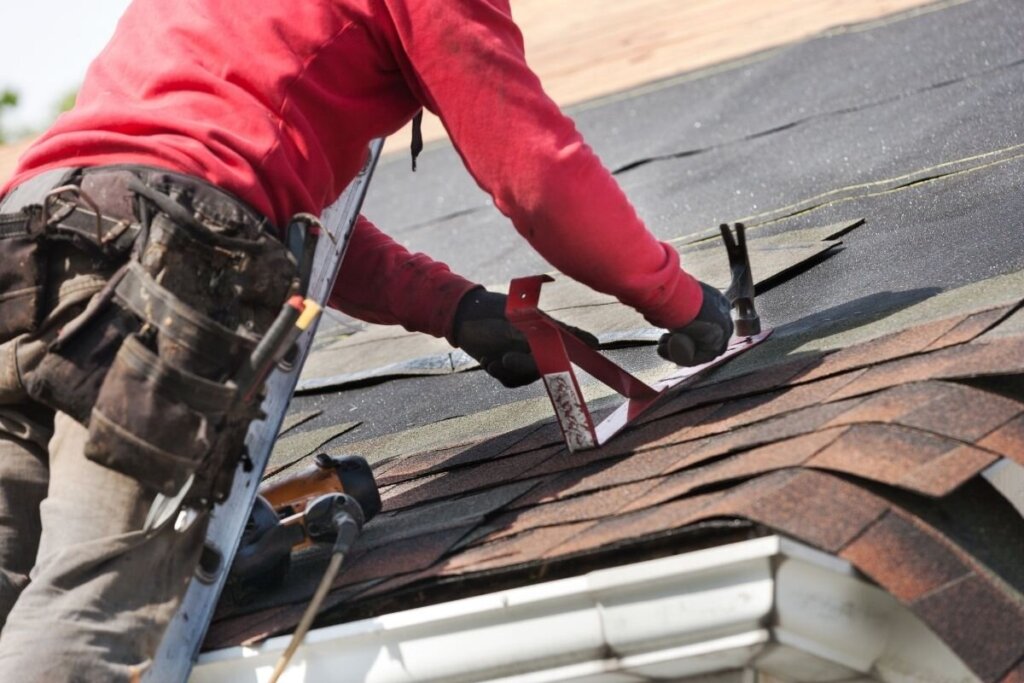
If you decide to rebuild, expect the work to involve permits and inspections. Detroit requires building permits for residential construction and trade permits for many electrical, plumbing, and mechanical changes. The city’s Construction Inspection Division checks permitted work and issues certificates after approved work is completed.
There is also a Detroit-specific insurance wrinkle worth knowing about. BSEED’s Construction Inspection Division processes insurance escrow accounts for fire repair. Michigan law allows participating municipalities to receive part of certain fire-insurance settlements into escrow so funds are available to help ensure a damaged structure is repaired, removed, or otherwise brought into compliance.
That does not mean every claim is handled the same way. The amount, eligibility, timing, and release requirements depend on the claim and applicable program rules. If insurance proceeds are being held, ask your insurer and BSEED exactly what is required before assuming the money will simply transfer with a sale. Michigan updates some escrow limits periodically, so current DIFS guidance is more useful than an old number pulled from a forum post.
Your Three Main Options After a House Fire
Option 1: Repair the property, then list it
This can make sense when the fire was limited, the structure is solid, insurance covers enough of the work, and you have the time to manage contractors and inspections. A properly restored home may qualify for a much larger pool of buyers and may produce the highest gross sale price.
The tradeoff is obvious: you are taking on the rehab. That means permits, bids, change orders, inspections, utilities, insurance, cleanup, and months of ownership costs before you know exactly what the retail market will pay.
Option 2: List the house as-is
You can put a fire-damaged home on the open market in its present condition. This may attract investors and rehab buyers, especially in parts of Detroit where renovated homes are selling well. But you may still deal with showings, inspection questions, agent fees, longer market time, buyer financing uncertainty, and negotiations around the damage.
Option 3: Sell directly to an as-is cash buyer
This route is usually the most straightforward when the property needs substantial rehabilitation and you are more interested in speed and certainty than completing the project yourself. A cash buyer evaluates the house with the fire damage already in the equation, so there is no need to make the home retail-ready first.
SEEB Homes is not an agency or brokerage. We buy properties directly in Detroit and surrounding Southeast Michigan communities, generally within about 30 miles of the city. That includes homeowners who are dealing with houses in poor condition and would rather sell than take on a large repair project.
A simple way to compare the paths
| Path | Usually best when… | Main tradeoff |
| Repair + list | Damage is manageable and you have time, insurance, and contractor capacity | More work and upfront risk, but potentially the highest retail price |
| List as-is | You want market exposure without doing the full rehab | Showings, financing, inspection questions, commissions, and uncertain timing can remain |
| Direct cash sale | Damage is substantial or speed and certainty matter most | Offer reflects the cost and risk the buyer will take on after closing |
How to Sell a Fire-Damaged House in Detroit Without Making It a Second Job
1. Document the loss before throwing things away
Take photos and video, keep insurance paperwork, and preserve receipts for emergency work. Follow your insurer’s instructions before disposing of damaged materials or beginning permanent repairs.
2. Secure the property
Broken windows, an open roof, or a damaged back door can turn one problem into three. When it is safe, protect the home from weather and trespass. If the property will remain vacant, check Detroit’s vacant-property requirements rather than assuming a boarded house can simply sit.
3. Find out what the city has on file
If BSEED has inspected the property, collect any correction orders, dangerous-building notices, permit records, or inspection documents. Serious damage is easier to evaluate when everyone is looking at the same paperwork.
4. Ask your insurer what happens if you sell
If a claim is open, ask what still needs to happen before settlement, whether any proceeds are being escrowed, and whether there are requirements tied to repair or demolition. If you still have a mortgage, ask how your lender is involved as well. Do not assume the sale and the insurance claim are completely separate.
5. Get a repair estimate only if repairing is a real option
An estimate is useful when you are genuinely comparing rehab versus sale. It is not useful to spend weeks collecting contractor bids if you already know you do not want to manage the project. Your time has a cost too.
6. Compare the net outcome, not just the sale price
A repaired listing might sell for more, but subtract the rehabilitation, carrying costs, insurance, utilities, taxes, cleanup, agent fees, concessions, and the risk that the project costs more than expected. Then compare that number with an as-is offer and the timeline attached to it.
7. Choose the amount of work you actually want
There is no prize for becoming a reluctant general contractor after a house fire. If rebuilding makes financial sense and you want to do it, great. If you want the property out of your life, that is a valid financial objective too.
Frequently Asked Questions
Can I sell a fire-damaged house in Detroit as-is?
Yes, an as-is sale may be possible. The buyer takes the physical condition into account when making the offer. City orders, title issues, insurance escrows, and required disclosures may still need to be addressed as part of the transaction.
Do I have to finish my insurance claim before I sell?
Not always, but selling while a claim is open can affect who is entitled to proceeds and what paperwork is needed. Talk with your insurer, title company, and lender if there is a mortgage. If Detroit is holding fire-repair escrow funds, ask BSEED what is required for release.
What if the house has been declared dangerous?
Move quickly. A dangerous-building or emergency order is more serious than ordinary cosmetic damage. Detroit can require corrective action and, in cases involving immediate structural danger, can issue an emergency demolition order. Get the exact notice and deadlines before making assumptions about the sale.
Should I clean out the house before asking for a cash offer?
You may not need to. Fire losses often leave damaged furniture, appliances, debris, and personal property behind. Ask the buyer what can remain before paying for dumpsters or a full cleanout.
Does SEEB Homes buy outside Detroit?
Yes. SEEB Homes purchases houses throughout Detroit and surrounding Southeast Michigan suburbs within approximately 30 miles of the city. If the property is in a nearby community such as Dearborn, Southfield, Ferndale, Warren, Redford, or another Metro Detroit suburb, you can still request an offer.
How quickly can SEEB Homes make an offer?
SEEB Homes can provide a fair cash offer in as little as 24 hours after getting the information needed to evaluate the property. There are no agent fees, and the house does not need to be repaired for a traditional listing first.
The Bottom Line
A house fire can turn one bad day into months of decisions. You may be dealing with insurance adjusters, contractors, city paperwork, damaged belongings, a vacant house, and relatives who all have a different opinion about what you should do. You do not automatically have to add “manage a full Detroit rehab” to that list.
If the home can be repaired and the numbers make sense, rebuilding and listing may be worth it. If the property needs major work, the insurance situation is complicated, or you simply want a cleaner exit, selling as-is can be a practical alternative.
SEEB Homes buys houses directly across Detroit and surrounding Metro Detroit communities. We are not an agency or brokerage, and you do not need to patch, paint, deodorize, stage, or make the place camera-ready before speaking with us.